Follow Me On Social Media!
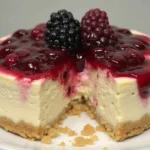
Creamy Sugar-Free Cheesecake Bars with an Almond Crust.

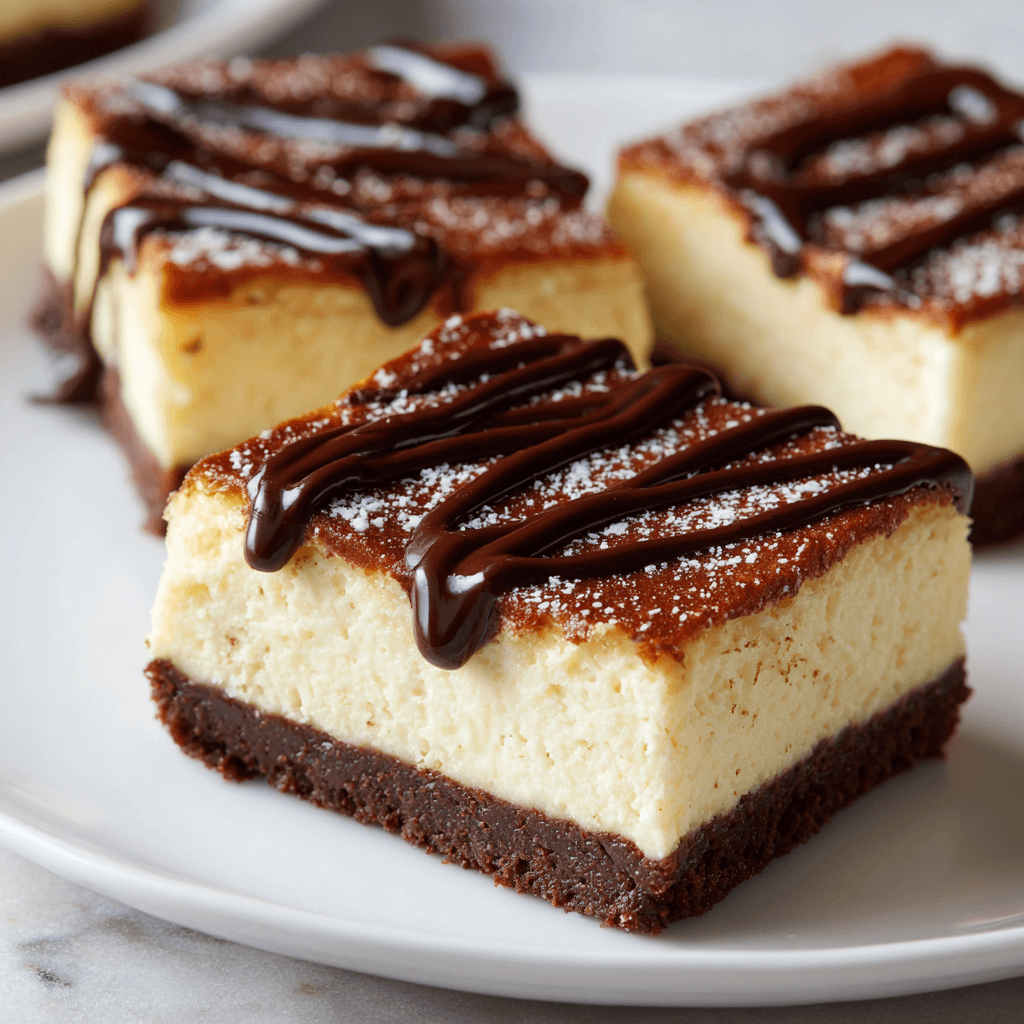
Finding a dessert that feels truly indulgent without the ensuing sugar crash is often a challenge. Many sugar-free treats can have a synthetic aftertaste or a texture that feels “off.” These cheesecake bars are the exception. By focusing on high-quality fats and a blend of natural sweeteners, you get a result that is remarkably close to a traditional New York-style cheesecake—dense, velvety, and rich, with a buttery, crumbly base.
This recipe is designed to be approachable. Unlike a full-sized cheesecake, which often requires a fussy water bath and hours of nervous monitoring, these bars are baked in a standard square pan. They are sturdy enough to be eaten by hand but elegant enough to serve at a dinner party. Whether you are managing blood sugar or simply looking to reduce your refined sugar intake, these bars offer a satisfying way to have your cake and eat it, too.
Ingredients
The secret to the texture here is using ingredients at room temperature. This ensures the batter incorporates smoothly without overbeating.
The Crust
- Almond Flour: 1 ½ cups. Fine-blended works best for a pastry-like texture.
- Butter: 4 tablespoons, melted.
- Granulated Sweetener: 2 tablespoons (Erythritol or Allulose work well).
- Vanilla Extract: ½ teaspoon.
- Sea Salt: A tiny pinch.
The Cheesecake Filling
- Cream Cheese: 16 ounces (two standard blocks), softened to room temperature.
- Powdered Sweetener: ½ cup. Using a powdered (confectioner’s style) version prevents a grainy texture.
- Large Eggs: 2, room temperature.
- Sour Cream: ¼ cup. This adds a necessary tang and keeps the bars moist.
- Lemon Juice: 1 teaspoon for brightness.
- Vanilla Extract: 1 teaspoon.
Instructions
Preparing the Crust
Preheat your oven to 325°F (160°C). Line an 8×8-inch square baking pan with parchment paper, leaving a bit of overhang on the sides so you can easily lift the bars out later. In a medium bowl, stir together the almond flour, melted butter, sweetener, vanilla, and salt. The mixture should look like wet sand. Press it firmly and evenly into the bottom of your prepared pan. Bake the crust for 10–12 minutes until it is just barely golden around the edges. Set it aside to cool while you make the filling.
Making the Filling
In a large mixing bowl, beat the softened cream cheese and powdered sweetener together until completely smooth and fluffy. This should take about 2 minutes with a hand mixer. Add the sour cream, lemon juice, and vanilla extract, and mix again until combined.
Add the eggs one at a time, mixing on low speed just until the yellow disappears. Crucial Tip: Do not overmix once the eggs are in. Incorporating too much air at this stage is what causes cheesecake to puff up and then crack as it cools. You want a thick, pourable custard, not a mousse.
The Bake
Pour the cream cheese mixture over the slightly cooled crust and smooth the top with a spatula. Bake for 25–30 minutes. You are looking for the edges to be set and slightly puffed, but the center should still have a slight “jiggle” when you gently shake the pan. It will continue to firm up as it cools.
The Chill
Let the pan cool on a wire rack at room temperature for at least an hour. Once cool, transfer it to the refrigerator for at least 4 hours—though overnight is significantly better for the flavor and texture. Resist the urge to cut into them early; the chilling process is what creates that signature dense, creamy mouthfeel.
Flavor and Texture Notes
The first thing you’ll notice is the contrast between the crust and the filling. The almond flour base provides a toasted, nutty flavor and a delicate crunch that mimics a graham cracker crust without the wheat.
The filling itself is remarkably balanced. The sour cream and lemon juice provide a sophisticated tang that cuts through the richness of the cream cheese. Because we use a powdered sweetener, the bars are perfectly smooth on the tongue, with no lingering cooling effect or graininess. They are dense enough to feel substantial but have a melt-in-your-mouth quality that is characteristic of a high-end bakery.
Tips and Variations
This base recipe is a blank canvas. Once you’ve mastered the technique, you can play with different flavor profiles.
- Berry Swirl: Microwave a handful of raspberries or strawberries with a teaspoon of water and a pinch of sweetener. Strain out the seeds, then drop small dots of the sauce onto the unbaked cheesecake and swirl with a toothpick.
- Chocolate Chip: Fold in half a cup of sugar-free dark chocolate chips into the batter before baking.
- Pumpkin Spice: Add two tablespoons of pumpkin puree and a teaspoon of pumpkin pie spice to the filling for a seasonal twist.
- Citrus Forward: Double the lemon juice and add a teaspoon of fresh lemon zest to the batter for a bright, summery bar.
Storage and Make-Ahead
Cheesecake is the ultimate make-ahead dessert. These bars keep beautifully in an airtight container in the refrigerator for up to 5 days.
If you want to store them longer, they freeze exceptionally well. Slice the chilled bars into squares and freeze them on a baking sheet until solid. Once frozen, wrap each bar individually in parchment paper and store them in a freezer bag for up to 3 months. To eat, simply thaw a bar in the fridge for an hour or enjoy them semi-frozen for a texture that resembles a cheesecake ice cream bar.
Serving Suggestions
For the cleanest slices, use a sharp knife dipped in hot water and wiped dry between every single cut. This prevents the filling from sticking and gives you those professional-looking edges.
- Fresh Garnish: Serve with a few fresh blueberries or a sprig of mint on top.
- Whipped Cream: A dollop of unsweetened whipped cream adds an extra layer of luxury.
- Nutty Finish: A sprinkle of toasted sliced almonds over the top echoes the flavors in the crust.
FAQ
Why did my cheesecake crack?
Cracks are usually caused by overbaking or overbeating the eggs. When you incorporate too much air, the cake rises and then collapses. If yours does crack, don’t worry—it will still taste delicious! You can easily hide a crack with a thin layer of sour cream or some fresh berries.
Can I use a different flour for the crust?
Coconut flour is not a 1:1 substitute for almond flour as it absorbs much more moisture.1 If you need to avoid nuts, a crushed sugar-free shortbread cookie or a sunflower seed flour crust would be a better alternative.
Do I really need room-temperature ingredients?
Yes. Cold cream cheese will result in a lumpy batter, and cold eggs can cause the fat in the cream cheese to seize up.2Taking the ingredients out of the fridge an hour before you start makes a world of difference.
What is the best sweetener to use?
For the best texture, a powdered blend containing Allulose or Erythritol is ideal. Allulose, in particular, behaves very similarly to sugar in baking and doesn’t have a “cooling” aftertaste.3
My crust is crumbly, what happened?
If the crust falls apart, it may need a bit more butter or to be pressed more firmly into the pan. Using the bottom of a flat glass to pack the almond flour mixture down can help create a more solid base.
Conclusion
Baking without sugar doesn’t have to feel like a compromise. These cheesecake bars prove that with the right technique and a focus on simple, whole ingredients, you can create a dessert that is every bit as satisfying as the original. They are a testament to the fact that sometimes, the simplest recipes are the ones that stay in your rotation for years.