Follow Me On Social Media!
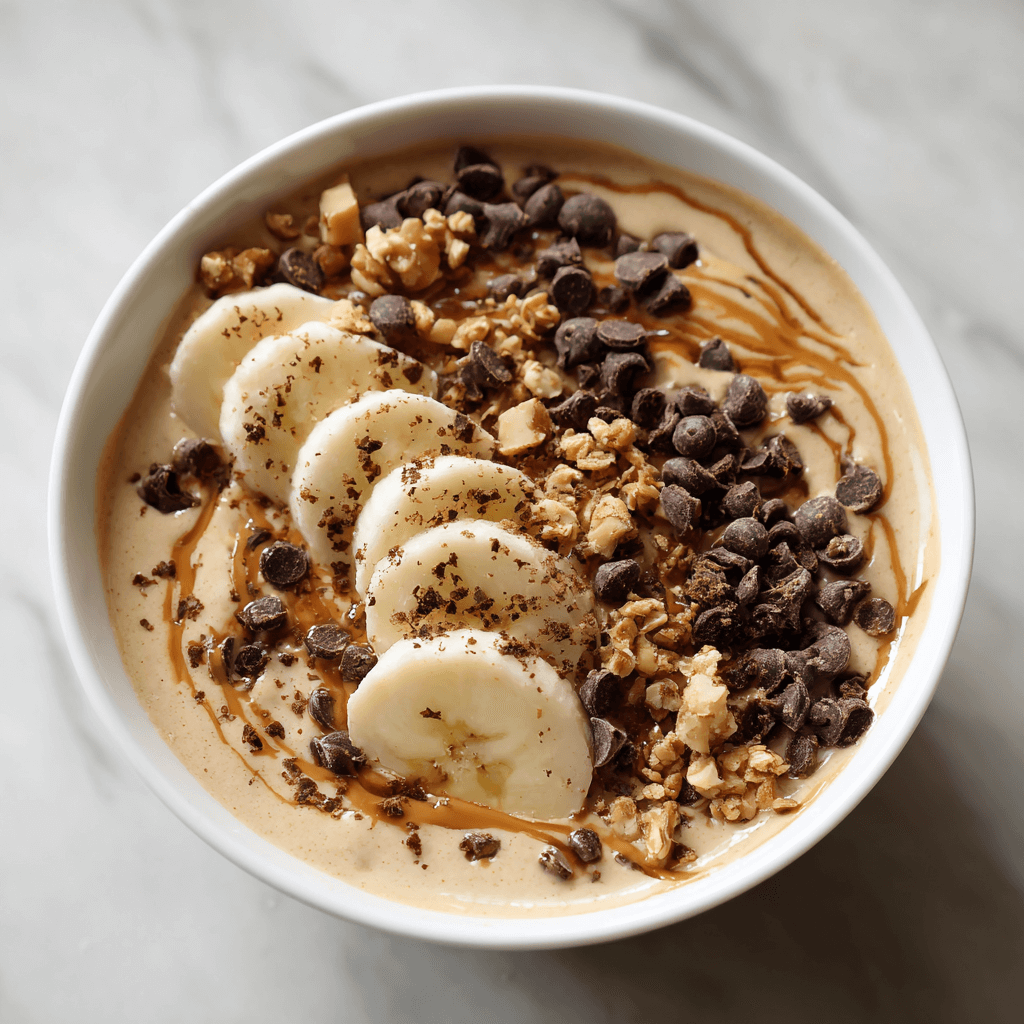
High-Protein Cottage Cheese Peanut Butter Cup Bowl.

There is a common misconception that eating for performance or health means sacrificing the flavors we actually crave. For a long time, if you wanted the taste of a chocolate peanut butter cup, you were looking at a candy bar wrapped in bright orange plastic. But over the last year, cottage cheese has undergone a massive rebranding in the culinary world, moving from a dated diet food to a versatile, creamy base for high-protein snacks that actually satisfy a sweet tooth.1
This peanut butter cup bowl is the result of that shift. It’s a thick, whipped, and rich bowl that mimics the filling of a truffle while packing enough protein to keep you full for hours. Whether you need a quick breakfast that tastes like dessert or a post-workout recovery meal that hits the spot, this recipe is a reliable win. It’s fast, requires zero cooking, and uses staples you likely already have in your fridge and pantry.
Ingredients
The key to this recipe is the texture of the base. If you aren’t a fan of the traditional “curds” in cottage cheese, don’t worry—the blending process completely transforms it into a smooth, cheesecake-like consistency.
- Cottage Cheese: 1 cup. Use 2% or 4% (full fat) for the best flavor and a creamier mouthfeel.
- Peanut Butter: 1 tablespoon of creamy natural peanut butter. If your peanut butter is salted, you can skip adding extra salt later.
- Cocoa Powder: 1 tablespoon of unsweetened Dutch-processed cocoa powder. This provides a deep, dark chocolate base.
- Maple Syrup or Honey: 1 to 2 teaspoons, depending on your preferred level of sweetness.
- Vanilla Extract: ½ teaspoon. It sounds small, but it bridges the gap between the savory cheese and the sweet chocolate.
- Toppings (Optional but Recommended): A few dark chocolate chips, a drizzle of melted peanut butter, or a pinch of flaky sea salt.
Instructions
You can make this bowl in under five minutes, making it a perfect solution for busy mornings or late-night cravings.
Blend the base
Place the cottage cheese, peanut butter, cocoa powder, sweetener, and vanilla into a small food processor or a high-speed blender. Blend on high for about 30 to 45 seconds. You are looking for a completely smooth, glossy texture with no visible curds remaining.
Adjust the consistency
If the mixture feels too thick for your blender to move, add one teaspoon of milk (dairy or almond) to help it catch. However, keep it as thick as possible; the goal is a pudding-like consistency rather than a smoothie.
Taste and tweak
Before moving the mixture to a bowl, give it a quick taste. If you prefer a more bitter, dark chocolate flavor, add another teaspoon of cocoa powder. If it needs more punch, a tiny pinch of salt will make the peanut butter flavor pop.
Chill (Optional)
While you can eat this immediately, placing the bowl in the fridge for 15 minutes allows the flavors to meld and the texture to firm up even further, making it feel more like a chilled mousse.
Add the finishing touches
Transfer the mixture to a small bowl. Top with a few chocolate chips for crunch and a small swirl of extra peanut butter. A sprinkle of sea salt on top mimics the classic salty-sweet balance of a real peanut butter cup.
Flavor and Texture Notes
This bowl is surprisingly sophisticated in its flavor profile. The cottage cheese provides a subtle tang—similar to a light cheesecake or Greek yogurt—which prevents the peanut butter and chocolate from feeling too heavy or cloying.
Texture-wise, when blended, the cottage cheese becomes airy and smooth. It lacks the chalkiness often found in protein puddings made with powders. Each bite is velvety, with the occasional snap from the chocolate chip toppings. The peanut butter acts as a fat source that rounds out the sharp edges of the cocoa, resulting in a balanced, earthy sweetness.
Tips and Variations
The basic recipe is excellent, but you can easily pivot based on what you have on hand or your specific nutritional goals.
- The “Magic Shell” Version: Melt a teaspoon of chocolate chips with a tiny bit of coconut oil and pour it over the top of the bowl. Let it sit in the fridge for 5 minutes until it hardens into a crisp shell that you can crack with a spoon.
- Boost the Protein: If you want to turn this into a high-octane recovery meal, you can stir in half a scoop of chocolate protein powder.2 If you do this, you may need an extra splash of almond milk to keep it creamy.
- Add Fruit: Sliced bananas or fresh raspberries are natural partners for chocolate and peanut butter.3 The acidity of the berries especially complements the tang of the cottage cheese.
- Nut-Free Option: Use sunflower seed butter (SunButter) in place of peanut butter for a similar flavor profile that is completely nut-free.4
Storage and Make-Ahead
This is a fantastic candidate for meal prepping because it holds its texture well in the refrigerator.
- In the Fridge: You can double or triple this recipe and store it in individual glass jars. It will stay fresh and delicious for up to 3 days. It may release a little liquid (whey) as it sits; simply give it a quick stir before eating.
- Do Not Freeze: Freezing cottage cheese changes the molecular structure of the dairy, causing it to become grainy and separate when thawed.5 It is best enjoyed chilled, not frozen.
Serving Suggestions
While this is great on its own in a bowl, there are a few other ways to serve it:
- As a Dip: Use the mixture as a high-protein fruit dip for apple slices or strawberries.
- Rice Cake Topper: Spread a thick layer over a plain or chocolate rice cake for a crunchy, satisfying snack.
- The Parfait: Layer the chocolate peanut butter mixture with some granola and hemp seeds to add different textures and healthy fats.
FAQ
Does it actually taste like cottage cheese?
Once blended with cocoa, peanut butter, and sweetener, the “cheese” flavor mostly disappears, leaving behind a creamy, slightly tangy base that tastes remarkably like cheesecake filling. The texture is the biggest change—blending is mandatory if you aren’t a fan of curds.
Can I use PB2 or peanut flour instead of real peanut butter?
Yes, you can use powdered peanut butter to lower the fat content.6 However, real peanut butter provides a richness and “stick-to-the-roof-of-your-mouth” quality that makes this feel like a true peanut butter cup. If using powder, start with 2 tablespoons.
What kind of cottage cheese is best?
I recommend using a “small curd” variety as it blends more easily. Avoid the “fat-free” versions if possible, as they tend to be more watery and less flavorful; 2% is usually the “sweet spot” for most people.
Is this a meal or a snack?
With about 25–30 grams of protein (depending on the brand of cottage cheese), it can definitely serve as a light meal, especially if you add toppings like nuts or fruit.
Conclusion
The Cottage Cheese Peanut Butter Cup Bowl is proof that smart ingredient swaps can satisfy deep cravings without a “sugar crash” later. It’s a functional, fast, and genuinely enjoyable way to get more protein into your day while feeling like you’re having a treat. It’s simple enough for a Tuesday morning but tasty enough to serve as a guilt-free dessert.