Follow Me On Social Media!
Sushi Bake Recipe: A Cozy, Shareable Take on Classic Sushi Flavors.

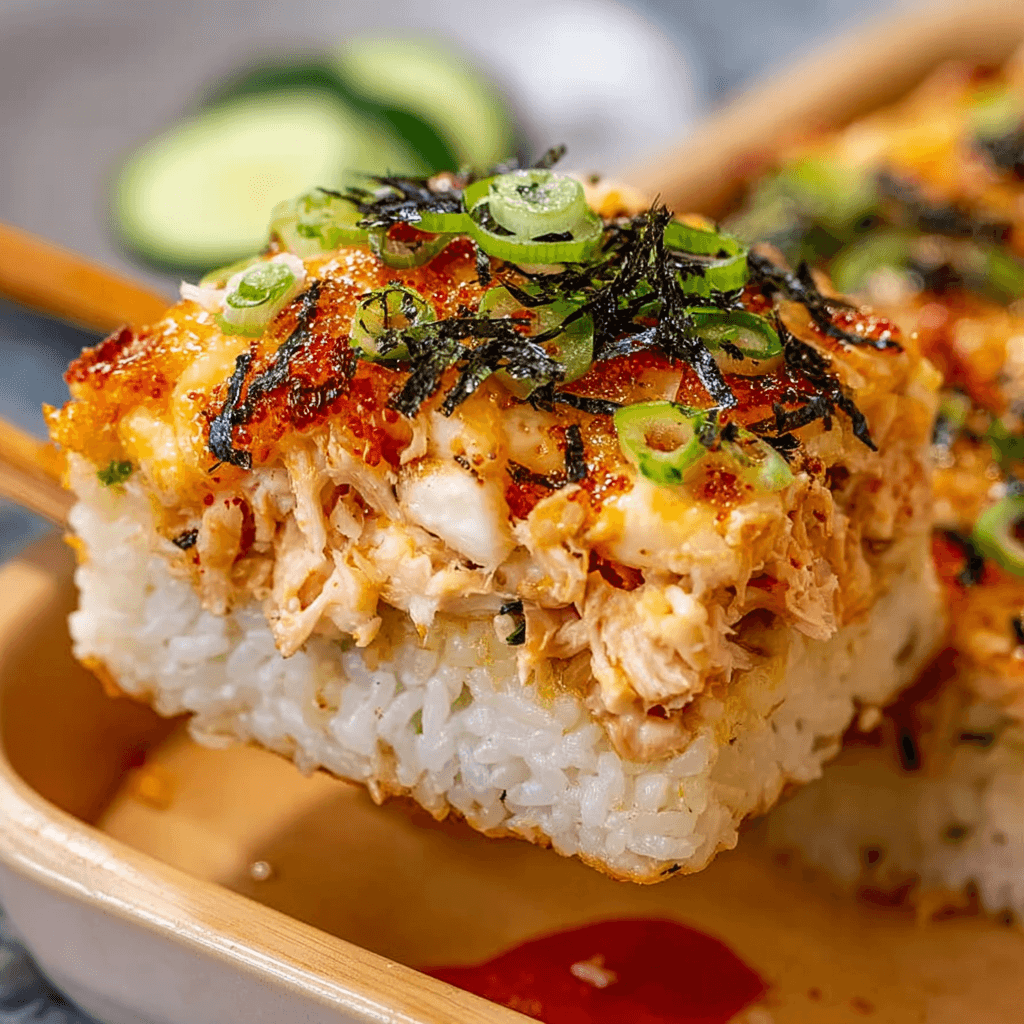
Sushi bake is one of those dishes that feels like it came from a very practical place: someone loved sushi, wanted the flavors at home, and didn’t want to spend the afternoon rolling rice. Over time, it became more than a shortcut. It turned into its own kind of comfort food—warm, savory, layered, and meant to be scooped rather than sliced.
This sushi bake recipe takes everything familiar about sushi—seasoned rice, seafood, creamy elements, and crisp toppings—and turns it into a casserole-style dish that’s easy to assemble and easy to share. It’s especially popular for gatherings because it feeds a crowd, holds well on the table, and invites everyone to build their own bite with seaweed snacks or cucumber slices.
If traditional sushi feels intimidating or time-consuming, this baked version is approachable and forgiving. You can customize it endlessly, adjust it to what you have on hand, and still end up with something deeply satisfying.
Ingredients
This sushi bake is built in layers: seasoned rice, a creamy seafood mixture, and toppings that add texture and contrast. The quantities below fit a standard 9×9-inch baking dish.
For the Sushi Rice
- 2 cups Japanese short-grain rice
- 2 ½ cups water
- ¼ cup rice vinegar
- 2 tablespoons sugar
- 1 teaspoon salt
For the Seafood Layer
- 8 ounces imitation crab meat, finely chopped
- 6 ounces cooked salmon, baked or pan-seared and flaked (optional but recommended)
- ¾ cup Japanese mayonnaise (such as Kewpie)
- 2 tablespoons cream cheese, softened
- 1–2 teaspoons sriracha, to taste
- 1 teaspoon soy sauce
For Topping and Serving
- Furikake seasoning (nori and sesame blend), to taste
- Extra Japanese mayonnaise, for drizzling
- Sriracha or chili sauce, optional
- Green onions, thinly sliced
- Toasted sesame seeds
- Roasted seaweed snacks or nori sheets
- Fresh cucumber slices or avocado, optional
Instructions
Prepare the Sushi Rice
Rinse the rice under cold water until the water runs mostly clear. This removes excess starch and helps achieve the right texture. Cook the rice with the water using a rice cooker or stovetop method, following package instructions.
While the rice cooks, combine the rice vinegar, sugar, and salt in a small bowl. Stir until dissolved.
Once the rice is cooked, transfer it to a large bowl. While it’s still warm, gently fold in the vinegar mixture using a rice paddle or spatula. Use a lifting and turning motion rather than stirring to avoid crushing the grains. Let the rice cool slightly—it should be warm, not hot.
Make the Seafood Mixture
In a medium bowl, combine the chopped imitation crab, flaked salmon, Japanese mayonnaise, cream cheese, sriracha, and soy sauce. Mix until evenly combined. The mixture should be creamy but not loose; adjust with a little more mayo if needed.
Taste and adjust the heat level. Keep in mind that the spice will mellow slightly during baking.
Assemble the Sushi Bake
Preheat the oven to 375°F (190°C). Lightly grease a 9×9-inch baking dish.
Spread the seasoned rice evenly into the dish, pressing it down gently to form a compact layer. Sprinkle a generous amount of furikake over the rice. This layer adds seasoning and that unmistakable sushi flavor.
Spoon the seafood mixture evenly over the rice and smooth the top with a spatula. Don’t press too hard—you want distinct layers rather than a compressed bake.
Bake and Finish
Bake uncovered for 15–20 minutes, until the top is warmed through and lightly golden in spots. If you prefer a slightly crisp top, you can broil it for 1–2 minutes at the end, watching closely.
Remove from the oven and let it rest for 5 minutes. Drizzle with additional Japanese mayonnaise and sriracha if desired. Sprinkle with green onions and sesame seeds.
Flavor & Texture Notes
Sushi bake is rich but balanced. The rice is slightly tangy and tender, forming a sturdy base. The seafood layer is creamy, savory, and gently spicy, with the imitation crab providing sweetness and the salmon adding depth.
Furikake brings saltiness and a light crunch, while the toppings—especially green onions and seaweed—add freshness that keeps the dish from feeling heavy. When scooped onto crisp nori, you get contrast in every bite: warm and cool, soft and crisp.
It’s familiar enough to please sushi fans, but different enough to feel comforting and casual.
Tips & Variations
If you don’t like imitation crab, you can replace it entirely with cooked shrimp, canned tuna (well-drained), or extra salmon.
For a vegetarian sushi bake, use seasoned tofu or sautéed mushrooms mixed with mayonnaise and cream cheese. Add extra furikake or chopped nori for flavor.
If you prefer less richness, reduce the mayonnaise slightly and increase the seafood. The bake will still hold together but feel lighter.
You can add a thin layer of sliced avocado on top after baking for a creamy contrast, but avoid baking avocado as it can become bitter.
For extra texture, sprinkle crushed rice crackers or panko mixed with sesame oil over the top before baking.
Storage & Make-Ahead
Sushi bake can be assembled up to one day in advance, covered tightly, and stored in the refrigerator. Bake just before serving for the best texture.
Leftovers keep well for up to 2 days refrigerated. Reheat gently in the oven or microwave until warmed through. The rice may firm up slightly when cold but softens again when heated.
This dish is not ideal for freezing, as the rice and mayonnaise-based topping can change texture after thawing.
Serving Suggestions
Serve sushi bake warm, family-style, straight from the baking dish. Set out roasted seaweed snacks or cut nori sheets so everyone can scoop their own portions.
Fresh cucumber slices, avocado, or pickled ginger on the side add brightness and help balance the richness. A simple salad with sesame dressing pairs well if you want to round out the meal.
For casual gatherings, place the baking dish at the center of the table and let people build bites at their own pace—it naturally encourages sharing.
FAQ
Is sushi bake served hot or cold?
Sushi bake is best served warm. It’s not meant to be eaten cold like traditional sushi.
Can I use regular mayonnaise instead of Japanese mayonnaise?
Yes, but Japanese mayonnaise has a richer, slightly tangier flavor. If using regular mayo, add a small squeeze of lemon juice to mimic that balance.
Why is my sushi bake dry?
This usually happens if there isn’t enough mayo in the seafood layer or if it’s overbaked. Keep an eye on it and remove it as soon as it’s heated through.
Can I make this spicy?
Absolutely. Increase the sriracha, add chili oil, or mix in a bit of gochujang for deeper heat.
Do I need furikake?
While optional, furikake adds a lot of flavor. If you don’t have it, sprinkle crushed nori sheets and sesame seeds over the rice instead.
Conclusion
This sushi bake recipe is proof that you don’t need precision or special tools to enjoy the flavors of sushi at home. It’s relaxed, flexible, and designed for sharing—something you can make once and adapt endlessly based on taste and occasion.
Whether you’re cooking for a group or just want a comforting dinner that feels a little different, sushi bake fits easily into your rotation. Set it in the center of the table, hand out the seaweed, and let everyone dig in. It’s informal, satisfying, and quietly addictive in the best way.