
Follow Me On Social Media!
Soft and Chewy Coffee Sugar Cookies with Espresso Glaze.

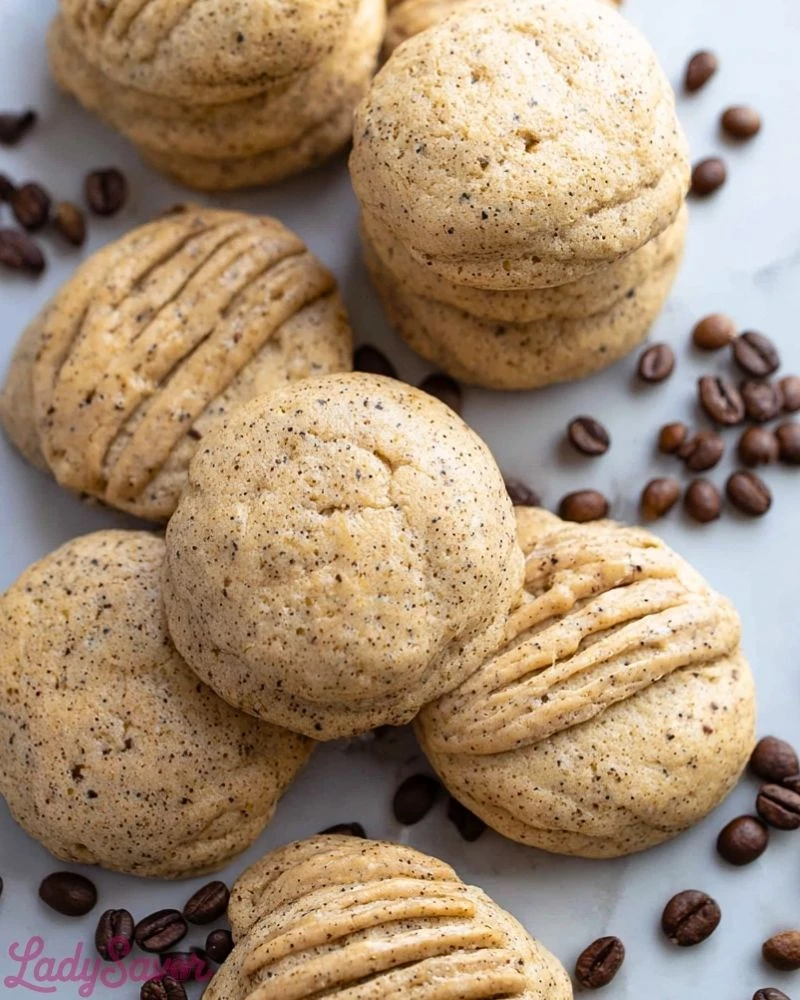
Sugar cookies are often categorized as a simple, kid-friendly snack—sweet, pale, and relatively uncomplicated.1 But for those of us who prefer our treats with a bit more depth, the addition of coffee transforms the humble sugar cookie into something far more sophisticated. These coffee sugar cookies take the best parts of a classic chewy cookie and infuse them with the bold, toasted aroma of a morning brew.
This recipe is designed for those who love the “coffee shop” aesthetic: a cookie that is crisp at the edges, incredibly soft in the center, and packed with enough caffeine-infused flavor to stand up to a glass of milk or a hot latte. By using a combination of instant espresso powder and finely ground coffee beans, we create a layered flavor profile that isn’t just sweet, but genuinely aromatic.
Ingredients for Coffee Sugar Cookies
To get that specific “crackle” on top and a chewy interior, we rely on a high ratio of sugar and a touch of cream of tartar for that signature sugar-cookie tang.
The Cookie Dough
- Unsalted Butter: 1 cup (225g), softened to room temperature.2
- Granulated Sugar: 1 1/2 cups (300g).
- Egg: 1 large, at room temperature.
- Vanilla Extract: 2 teaspoons.
- Instant Espresso Powder: 2 tablespoons.3 This dissolves into the butter for a deep, uniform color.
- Finely Ground Coffee: 1 teaspoon. This adds “specks” of flavor and a nice texture.
- All-Purpose Flour: 2 3/4 cups (345g).
- Baking Soda: 1 teaspoon.
- Cream of Tartar: 1/2 teaspoon.
- Salt: 1/2 teaspoon.
The Espresso Glaze
- Powdered Sugar: 1 cup (120g).
- Brewed Coffee or Espresso: 1–2 tablespoons, cooled.
- Vanilla Extract: 1/2 teaspoon.
- Pinch of Salt.
Step-by-Step Instructions
Creaming and Flavor Infusion
Preheat your oven to 350°F (175°C).4 Line two large baking sheets with parchment paper. In the bowl of a stand mixer, cream together the softened butter and granulated sugar for about 3 minutes. Once the mixture is light and fluffy, add the instant espresso powder and the finely ground coffee directly into the butter. The fat in the butter helps “bloom” the coffee flavor, making it much more intense.
Add the egg and vanilla extract, beating until fully combined. Scrape down the sides of the bowl to ensure no streaks of butter remain.
Mixing the Dry Ingredients
In a separate bowl, whisk together the flour, baking soda, cream of tartar, and salt. With the mixer on low speed, slowly add the dry ingredients to the wet. Mix until the flour just disappears. The dough should be soft but easy to handle; if it feels too oily or sticky, chill it in the fridge for 20 minutes before rolling.
Shaping and Baking
Scoop about 2 tablespoons of dough at a time and roll them into smooth balls. For an extra crunch, you can roll the balls in a bowl of extra granulated sugar before placing them on the baking sheet. Space them about 2 inches apart, as they will spread.
Bake for 10 to 12 minutes. The cookies are done when the edges are set and starting to turn a very light golden brown, but the centers still look slightly soft. Do not overbake; sugar cookies go from soft to hard very quickly once they cool. Let them rest on the pan for 5 minutes before moving them to a wire rack.
Glazing the Cookies
Once the cookies are completely cool, whisk together the powdered sugar, brewed coffee, vanilla, and a pinch of salt. The glaze should be thick but pourable. Use a spoon to drizzle the glaze over the cookies in a zigzag pattern, or dip half of each cookie into the glaze for a bold look. Let the glaze set for 30 minutes before serving.
Flavor and Texture Notes
These cookies are a sensory experience. Before you even take a bite, the scent of toasted espresso is prominent. The texture is exactly what you want in a sugar cookie: a slight crunch on the very outer rim that gives way to a dense, buttery, and humid center.
The coffee flavor is present but not overwhelming. It mimics the taste of a well-made mocha or a sweetened iced coffee. Because we use cream of tartar, there is a very faint acidity that balances the sugar, while the espresso glaze provides a concentrated “hit” of coffee that lingers on the tongue.
Tips and Variations
- The Mocha Twist: Add 1/2 cup of mini chocolate chips to the dough for a mocha sugar cookie. The chocolate melting into the coffee-flavored base is a classic combination.
- Spice it Up: Add 1/2 teaspoon of ground cardamom or cinnamon to the flour mixture. Both spices pair beautifully with coffee and add a “dirty chai” vibe to the recipe.
- Extra Caffeine: If you want a really strong kick, use “dark roast” instant espresso and increase the amount to 3 tablespoons.
- Salted Coffee: Sprinkle a few flakes of Maldon sea salt over the wet glaze. The salt enhances the bitterness of the coffee and the sweetness of the sugar.
Storage and Make-Ahead
- Room Temperature: These cookies stay soft for up to 5 days when kept in an airtight container. The glaze may soften the cookie slightly over time, which many people actually prefer.
- Freezing the Dough: You can roll the dough into balls and freeze them in a zip-top bag for up to 3 months.5 Bake them straight from the freezer, adding an extra 1–2 minutes to the bake time.
- Freezing Baked Cookies: These freeze well even with the glaze. Just ensure the glaze is fully set before stacking them with parchment paper in between layers.
Serving Suggestions
Coffee sugar cookies are a natural fit for an afternoon pick-me-up, but they can also be dressed up.
- Ice Cream Sandwiches: Sandwich a scoop of vanilla bean or salted caramel ice cream between two coffee sugar cookies. The coffee flavor prevents the sandwich from being too sweet.
- The Coffee Break: Serve these alongside a hot cup of black coffee or a flat white. Dipping a sugar cookie into hot coffee is one of life’s simple pleasures.
- Gift Tins: Because these cookies are sturdy once the glaze sets, they are excellent for mailing or gifting in tins. They hold their shape well and don’t crumble easily.
FAQ
Can I use regular instant coffee instead of espresso powder?
Yes, but keep in mind that instant coffee granules are usually larger and less concentrated than espresso powder. You may want to crush the granules into a fine powder before adding them to the butter to ensure they dissolve completely.
Why did my cookies spread too much?
This usually happens if the butter was too warm or melted, or if the dough wasn’t chilled. If your kitchen is hot, chill the rolled dough balls for 15 minutes before putting them in the oven.
Do I have to use cream of tartar?
While it provides the classic sugar cookie texture, you can omit it. If you do, replace both the baking soda and the cream of tartar with 1 1/2 teaspoons of baking powder. The texture will be slightly puffier and more “cake-like.”
Conclusion
Coffee sugar cookies are the perfect bridge between a childhood favorite and an adult palate. They are simple to whip up, require no fancy equipment, and offer a much more interesting flavor profile than your standard vanilla cookie. Whether you are a daily coffee drinker or just someone who appreciates the aroma of a good roast, these cookies are bound to become a recurring request in your kitchen.