Follow Me On Social Media!
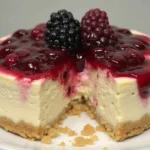
The Ultimate No-Bake Biscoff Lotus Cheesecake: A Spiced Cookie Lover’s Dream.

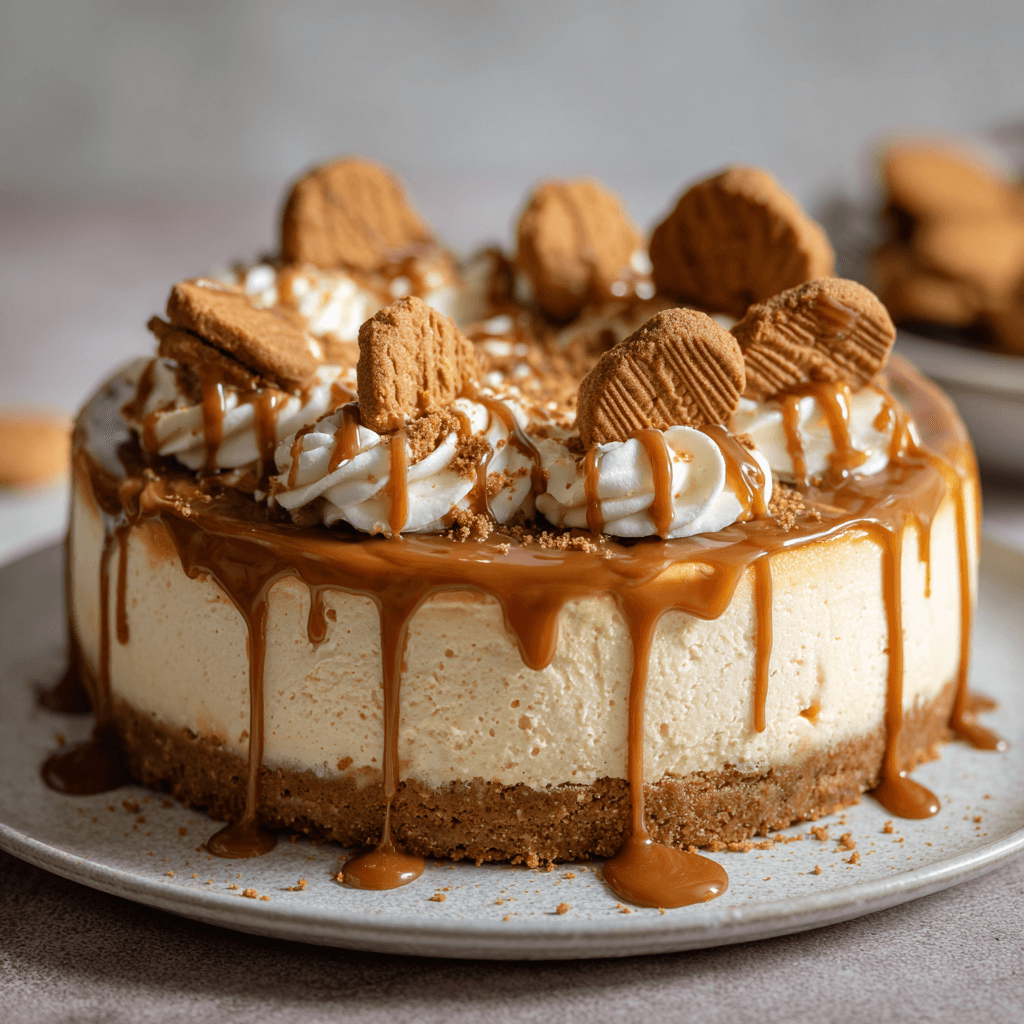
There is a specific kind of magic in the combination of deep caramel, toasted flour, and warm cinnamon that defines the Biscoff cookie. Originally known as Speculoos in Belgium, these biscuits have transitioned from a simple coffee accompaniment to a global dessert phenomenon.1 While a traditional baked cheesecake has its merits, a no-bake Biscoff cheesecake offers a superior texture for this particular flavor profile—it is silky, light, and almost mousse-like, allowing the bold spices of the cookie butter to shine without the interference of eggs or the denseness of a water bath.2+1
This recipe is designed for those moments when you want a showstopping dessert that requires zero oven time. By using a double dose of Biscoff—both in the crunchy crust and the swirling cookie butter within the filling—you create a dessert that is unapologetically rich. It is the kind of treat that feels incredibly high-end but relies on simple assembly and a few hours of patience while it sets in the refrigerator.
Ingredients
To achieve that signature professional finish, ensure your cream cheese is at true room temperature to avoid any tiny lumps in your filling.
- Biscoff Cookies: 300g (about one and a half standard packs). You will use most for the crust and save a few for the garnish.
- Unsalted Butter: 80g (about 1/3 cup), melted.3 This binds the cookie crumbs into a sturdy base.
- Cream Cheese: 500g (about 18 oz).4 Use the full-fat blocks, not the spreadable tub variety, for the best structural integrity.
- Biscoff Cookie Butter: 400g (1 jar). You will split this between the filling and the melted topping.
- Powdered Sugar: 60g (1/2 cup), sifted. The cookie butter is already sweet, so we keep the added sugar minimal.
- Heavy Cream: 300ml (1 1/4 cups), chilled. This must be cold to whip into stiff peaks.
- Vanilla Extract: 1 teaspoon. It rounds out the spice notes of the cookies.
Instructions
Creating the Cookie Base
Start by pulsing the Biscoff cookies in a food processor until they reach the consistency of fine sand. If you don’t have a processor, place them in a heavy-duty freezer bag and crush them with a rolling pin. Transfer the crumbs to a bowl and stir in the melted butter until the mixture looks like wet sand.
Press the crumbs firmly into the bottom of a 20cm (8-inch) springform pan. Use the bottom of a flat glass to pack it down tightly, ensuring it reaches all the way to the edges. Place the pan in the refrigerator to firm up while you prepare the filling.
Preparing the Filling
In a large mixing bowl, beat the room-temperature cream cheese until it is completely smooth and creamy. Add 200g (about half the jar) of the Biscoff cookie butter, the powdered sugar, and the vanilla extract. Mix until the color is uniform and the texture is velvety.
In a separate chilled bowl, whip the heavy cream until it reaches stiff peaks. Be careful not to over-whip it into butter. Gently fold the whipped cream into the Biscoff cream cheese mixture using a large spatula. Use a slow, circular motion to keep as much air in the mixture as possible—this is what gives the cheesecake its lightness.
Setting the Cheesecake
Pour the filling over the chilled cookie base and smooth the top with an offset spatula. Cover the pan with plastic wrap and refrigerate for at least 6 hours, though overnight is ideal. The fats in the cream cheese and the whipped cream need this time to “marry” and solidify enough to slice.
The Signature Topping
Once the cheesecake is fully set, take the remaining cookie butter from the jar and place it in a small microwave-safe bowl. Heat it for 20–30 seconds until it is liquid and pourable. Let it cool for a minute so it doesn’t melt the top of your cheesecake, then pour it over the center. Tilt the pan in a circular motion to let the melted cookie butter flow to the edges for a perfectly smooth, glass-like finish.
Flavor and Texture Notes
The first bite of this cheesecake is a study in contrasts. The crust is intentionally crunchy and deeply caramelized, providing a structural foundation for the filling. The filling itself is airy yet rich, with the unmistakable warmth of cinnamon, nutmeg, and ginger that defines the Lotus cookie.
The melted cookie butter on top provides a concentrated burst of flavor, while the cream cheese base offers a subtle tang that prevents the dessert from becoming cloyingly sweet. It feels like a cross between a traditional cheesecake and a cloud-like mousse, melting away quickly on the tongue.
Tips and Variations
Extra Crunch
If you prefer a bit of “bite” within the cheesecake, you can fold in half a cup of crushed Biscoff cookies into the filling right before you pour it into the pan. This adds a “cookies and cream” element to the spiced profile.
Salted Caramel Twist
Biscoff and salt are natural allies. A tiny pinch of flaky sea salt stirred into the melted topping can elevate the caramel notes and provide a sophisticated edge to the sweetness.
Individual Jars
For a dinner party, you can press the cookie crumbs into the bottom of small mason jars or glass ramekins. Layer the filling on top and finish with the melted cookie butter. This eliminates the stress of slicing and looks beautiful on a serving tray.
Storage and Make-Ahead
This is a fantastic make-ahead dessert because it actually benefits from time in the fridge.
- Refrigeration: The cheesecake will stay fresh and hold its structure for up to 4 days in the refrigerator. Keep it covered to prevent it from absorbing any other fridge odors.
- Freezing: You can freeze this cheesecake for up to 1 month. Wrap the entire pan (or individual slices) tightly in plastic wrap and then foil. Thaw in the refrigerator for several hours before serving.
- Slicing Tip: To get those clean, professional-looking slices, dip a sharp knife into hot water and wipe it dry between every single cut.
Serving Suggestions
Presentation is everything with a monochrome dessert like this.
- The Cookie Border: Stand whole Biscoff cookies upright around the edge of the cheesecake before the topping fully sets for a dramatic look.
- Whipped Cream Swirls: Pipe small dollops of stabilized whipped cream around the perimeter and nestle a half-cookie into each one.
- Coffee Pairing: This cheesecake was born to be served with coffee. A strong, dark roast or a bitter espresso balances the sweet, spiced caramel of the Biscoff perfectly.
FAQ
Can I use a different type of cookie?
You can, but it will no longer be a Biscoff cheesecake! Graham crackers or gingersnaps are good substitutes for the base, but the cookie butter filling is unique to the Lotus flavor profile.
Why didn’t my cheesecake set?
The most common reason is not whipping the cream to stiff enough peaks or using “spreadable” cream cheese from a tub, which has a higher water content. If it feels soft, give it a few hours in the freezer to firm up.
Do I have to use a springform pan?
A springform pan is highly recommended because it allows you to remove the sides without damaging the crust. If you don’t have one, line a regular cake pan with plenty of parchment paper hanging over the sides to use as a “sling” to lift the cake out.
Can I make this dairy-free?
Yes. Biscoff cookies and the cookie butter itself are actually vegan! You can substitute the butter with a vegan stick, and use a high-quality vegan cream cheese and a plant-based heavy whipping cream (like a lentil or coconut-based cream).
Conclusion
This no-bake Biscoff cheesecake is a celebration of one of the world’s most beloved flavors. By leaning into the simplicity of the ingredients and focusing on the temperature and texture of the cream, you can create a dessert that rivals any high-end bakery. It is a comforting, spiced, and deeply satisfying treat that proves you don’t always need an oven to make something truly extraordinary. Whether it’s for a birthday or a quiet weekend indulgence, this cake is sure to become a recurring request in your kitchen.