Follow Me On Social Media!
Better Than Takeout Chow Mein: A Flavorful One-Pan Meal.

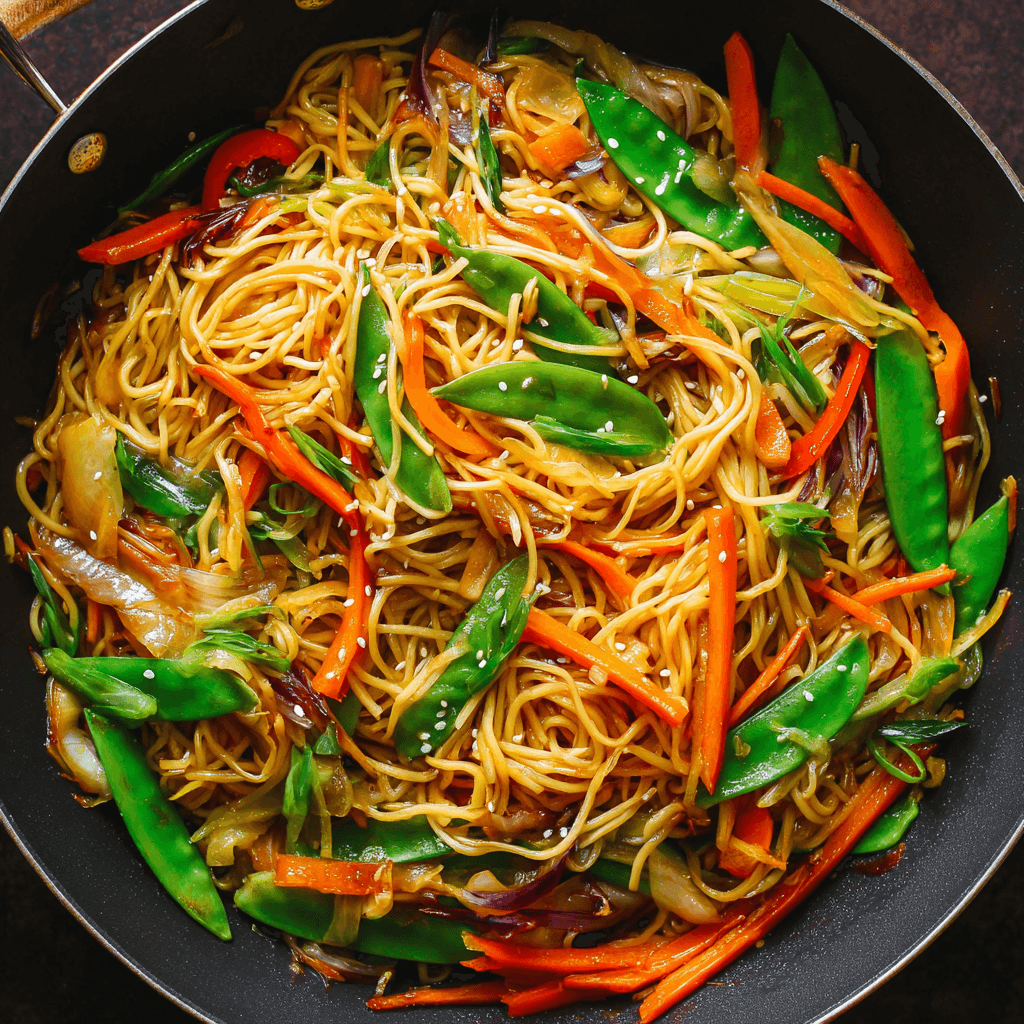
The secret to a truly great Chow Mein—one that surpasses your local takeaway—lies in the “wok hei” or the “breath of the wok.” While you don’t need a commercial burner to achieve this, you do need a high-heat sear and a balanced sauce that hits the four pillars of Chinese flavor: salty, sweet, savory, and aromatic.
Unlike Lo Mein, which is characterized by soft, tossed noodles, Chow Mein means “stir-fried noodles.”1 This implies a bit of texture and a slight crispness to the strands. This recipe focuses on a quick cooking process that keeps the vegetables crunchy and the noodles perfectly coated in a glossy, umami-rich glaze.
Ingredients
To get that authentic flavor, use Chuka Soba (dried curly wheat noodles) or fresh refrigerated Chow Mein noodles. Avoid using Italian spaghetti, as the texture and alkaline content are different.
The Stir-Fry
- Noodles: 300g (approx. 10 oz) Chow Mein or Yakisoba noodles.
- Protein: 250g (1/2 lb) Chicken breast, shrimp, or firm tofu, sliced into thin strips.
- Cabbage: 2 cups shredded green cabbage or Napa cabbage.2
- Carrots: 1 large, julienned (cut into matchsticks).
- Bean Sprouts: 100g (1 cup) fresh sprouts.
- Aromatics: 3 cloves garlic (minced) and 1 tablespoon fresh ginger (grated).3
- Green Onions: 4 stalks, cut into 2-inch pieces.4
- Oil: 2 tablespoons neutral oil (grapeseed, canola, or vegetable).
The Chow Mein Sauce
- Soy Sauce: 2 tablespoons.
- Dark Soy Sauce: 1 tablespoon (provides the deep mahogany color).
- Oyster Sauce: 2 tablespoons (or vegetarian stir-fry sauce).
- Sesame Oil: 1 teaspoon.
- Sugar: 1 teaspoon.
- Shaoxing Wine: 1 tablespoon (or dry sherry).5
Instructions
Step 1: Prep the Noodles and Sauce
Prepare the noodles according to the package instructions—usually a quick 2-minute boil. Drain and rinse with cold water to stop the cooking and prevent sticking. In a small bowl, whisk together all the sauce ingredients until the sugar is dissolved.
Step 2: Sear the Protein
Heat 1 tablespoon of oil in a wok or large heavy-bottomed skillet over high heat. Add your protein and sear until just cooked through and slightly browned. Remove the protein from the pan and set it aside; this prevents it from becoming tough while you cook the vegetables.
Step 3: Flash-Fry the Vegetables
Add the remaining tablespoon of oil to the hot pan. Toss in the garlic and ginger for 30 seconds until fragrant. Add the cabbage and carrots, stir-frying for 2 minutes. You want the vegetables to be “tender-crisp”—bright in color but still offering a snap.
Step 4: The Toss
Add the cooked noodles and the seared protein back into the pan. Pour the sauce mixture over the top. Using tongs or a large spatula, toss everything vigorously over high heat for 2 to 3 minutes. The noodles should absorb the sauce and develop a glossy finish.
Step 5: Finishing Touches
Fold in the bean sprouts and green onions during the last 30 seconds of cooking. The residual heat will wilt them perfectly without making them soggy. Serve immediately.
Flavor and Texture Notes
This dish is a masterclass in umami. The combination of oyster sauce and dark soy sauce creates a savory depth, while the ginger and garlic provide a sharp, aromatic lift. Texturally, you get the chew of the wheat noodles, the crunch of the fresh cabbage, and the tender snap of the bean sprouts.
Tips and Variations
- The Noodle Crisp: If you like your noodles extra crispy, let them sit undisturbed in the hot oiled pan for 1 minute before adding the vegetables back in; this creates those coveted “pan-fried” crispy bits.
- Spicy Version: Add a teaspoon of chili garlic sauce or Szechuan peppercorn oil to the sauce mixture for a numbing heat.
- Vegetarian Swap: Use sliced shiitake mushrooms instead of meat to maintain that deep, savory “meaty” flavor.6
FAQ
| Question | Answer |
| Can I use regular soy sauce for everything? | You can, but the dish will be lighter in color and saltier. Dark soy sauce is thicker and less salty, providing that signature dark takeout look. |
| How do I prevent my noodles from mushing? | Under-boil them slightly (al dente). They will finish cooking and absorb moisture once they hit the sauce in the wok. |
| Can I meal prep this? | Yes. It stays delicious for up to 3 days in the fridge. Reheat in a skillet with a splash of water to loosen the noodles. |
Conclusion
Better Than Takeout Chow Mein is a fast, vibrant, and deeply satisfying meal that takes less time to cook than it does to wait for a delivery driver. By using high heat and a well-balanced sauce, you can create a dish that is fresher and more flavorful than the restaurant version. It is an incredibly adaptable recipe—feel free to clear out your vegetable drawer and experiment with different proteins.