Follow Me On Social Media!
Classic Baked Cheesecake: A Timeless Masterpiece.

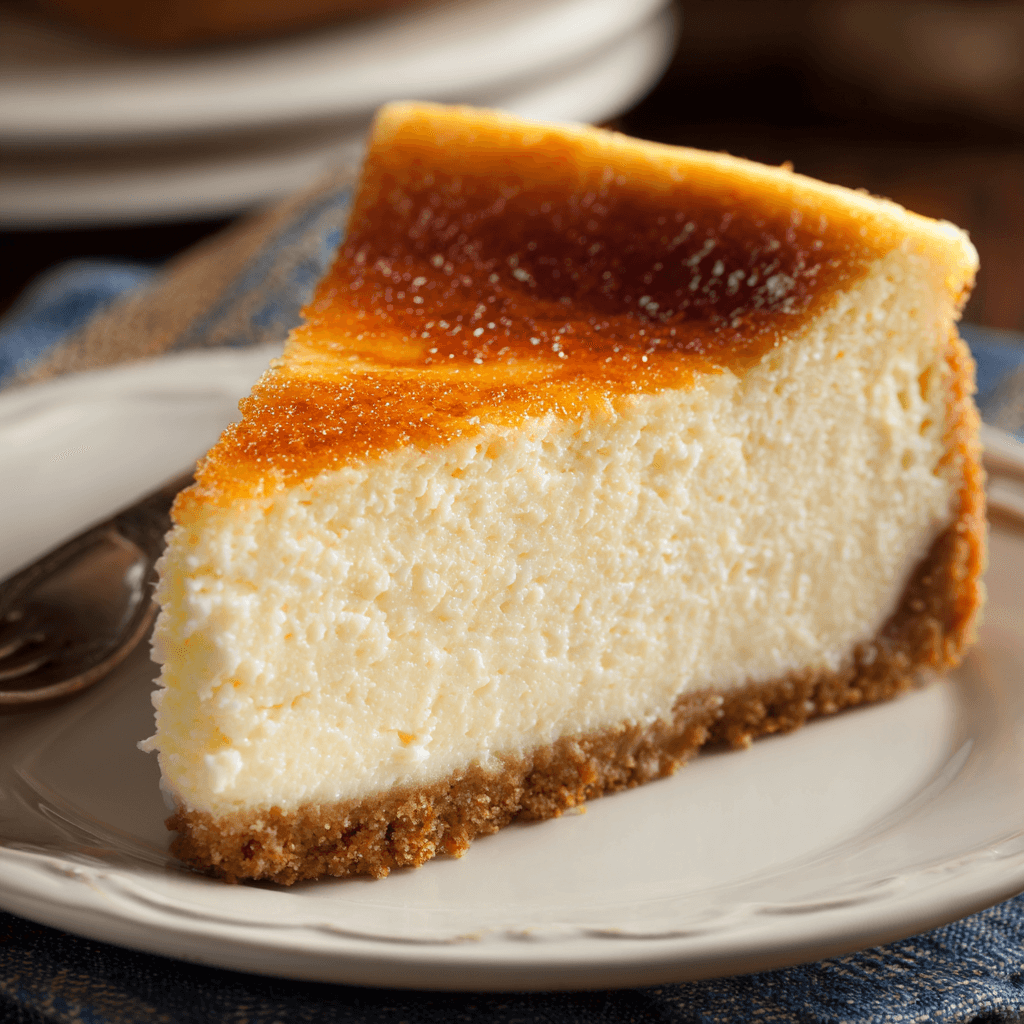
There is a reverent silence that often falls over a table when a Classic Baked Cheesecake is served. Unlike its airy, no-bake counterparts, the baked version is defined by its architectural density—a texture that is velvety, rich, and intensely creamy.1 It is a dessert of patience and precision, characterized by a golden-edged, buttery graham cracker crust and a filling that strikes the perfect balance between sweet and tangy.2+1
The beauty of this recipe lies in the “low and slow” baking method. By using a water bath and allowing the cheesecake to cool gradually, you ensure a perfectly flat, crack-free surface that looks as professional as any New York bakery offering. It is a sophisticated, towering dessert that turns five simple dairy ingredients into a luxurious, melt-in-the-mouth experience.
Ingredients
To achieve that iconic New York-style texture, all refrigerated ingredients must be at room temperature. Cold cream cheese is the primary cause of lumps and over-beating.
For the Graham Cracker Crust
- Graham Cracker Crumbs: 1 ½ cups.3
- Unsalted Butter: 6 tablespoons, melted.
- Granulated Sugar: 2 tablespoons.
- Fine Sea Salt: A tiny pinch.
For the Cheesecake Filling
- Full-Fat Cream Cheese: 32 oz (four 8-oz blocks), softened.4
- Granulated Sugar: 1 cup.
- Sour Cream: 1 cup, room temperature (adds the signature tang).
- Large Eggs: 4, room temperature.5
- Vanilla Extract: 1 tablespoon.
- Fresh Lemon Juice: 1 teaspoon (brightens the richness).
Instructions
1. Prep the Pan and Crust
Preheat your oven to 350°F. In a medium bowl, mix the graham cracker crumbs, melted butter, sugar, and salt. Press the mixture firmly into the bottom and halfway up the sides of a 9-inch springform pan. Bake for 10 minutes, then remove and let cool. Once cool, wrap the outside of the pan tightly in two layers of heavy-duty aluminum foil to prevent water from seeping in during the water bath.
2. Mix the Filling
In a large bowl, beat the softened cream cheese and sugar on medium speed until completely smooth and creamy (about 2 minutes). Add the sour cream, vanilla, and lemon juice, and mix until combined. Switch to low speed and add the eggs one at a time, mixing just until the yellow disappears. Do not over-mix at this stage, as air bubbles will cause the cake to rise and crack.
3. The Water Bath
Place the foil-wrapped pan into a large roasting pan. Pour the cheesecake batter over the crust. Place the roasting pan in the oven and carefully pour boiling water into the roasting pan until it reaches halfway up the sides of the springform pan.
4. Bake and “The Gentle Cool”
Bake at 325°F for 60 to 70 minutes. The edges should be set and slightly puffed, but the center should still have a slight “jiggle” like gelatin. Turn off the oven, crack the door open slightly, and let the cheesecake sit inside for one hour. This slow temperature drop is the secret to a crack-free top.
5. The Long Chill
Remove the pan from the water bath and take off the foil. Run a thin knife around the edge to loosen the cake from the sides. Refrigerate for at least 6 hours, but ideally 24 hours. The flavor and texture continue to develop and firm up as it sits.
Flavor and Texture Notes
The first sensation is the dense, creamy weight of the filling, which feels incredibly indulgent. Because of the sour cream and lemon juice, the flavor has a sophisticated tang that cuts through the heavy fat of the cream cheese, preventing it from feeling too “heavy.”
The crust provides a necessary salty-sweet crunch and a hint of honey-cinnamon warmth that anchors the dairy. It is a harmonious experience where the richness of the center is celebrated by the simplicity of the base.
Tips for Success
- Room Temperature is King: If your eggs or cream cheese are cold, they will not emulsify, and you will end up with “tiny white dots” of unmixed cheese in your finished cake.
- Avoid Over-beating: Once the eggs are added, stop mixing as soon as they are incorporated. Incorporating too much air makes the cheesecake rise like a soufflé and then collapse.
- The Clean Slice: For professional slices, use a long, thin knife dipped in hot water and wiped dry between every single cut.
Storage and Make-Ahead
- Refrigeration: This is the ultimate make-ahead dessert. It stays perfectly fresh and even improves in flavor in the fridge for up to 5 days.
- Freezing: Baked cheesecake freezes beautifully. Wrap the whole cake or individual slices tightly in plastic wrap and foil. It will last for up to 3 months. Thaw in the fridge overnight.
FAQ
Why did my cheesecake crack?
Cracks are usually caused by over-mixing the eggs, over-baking, or a sudden change in temperature. Following the “gentle cool” method in the oven is your best defense.
Can I make this without a water bath?
You can, but the edges will likely brown or overcook before the center is set, and the risk of cracking increases significantly. The water bath provides the gentle, even steam necessary for a perfect custard.
What if I don’t have graham crackers?
You can use digestive biscuits, vanilla wafers, or even chocolate sandwich cookies (like Oreos) for the crust.
Conclusion
The Classic Baked Cheesecake is a reminder that the most satisfying desserts often come from the simplest ingredients used with care. It is a “pantry-staple” miracle—transforming cream cheese, eggs, and sugar into a sophisticated, towering treat. Whether you’re looking for a stunning centerpiece for a celebration or a reliable classic that stays fresh all week, this cheesecake is a reliable, delicious classic.