Follow Me On Social Media!
Elevated Homemade Miso Ramen.

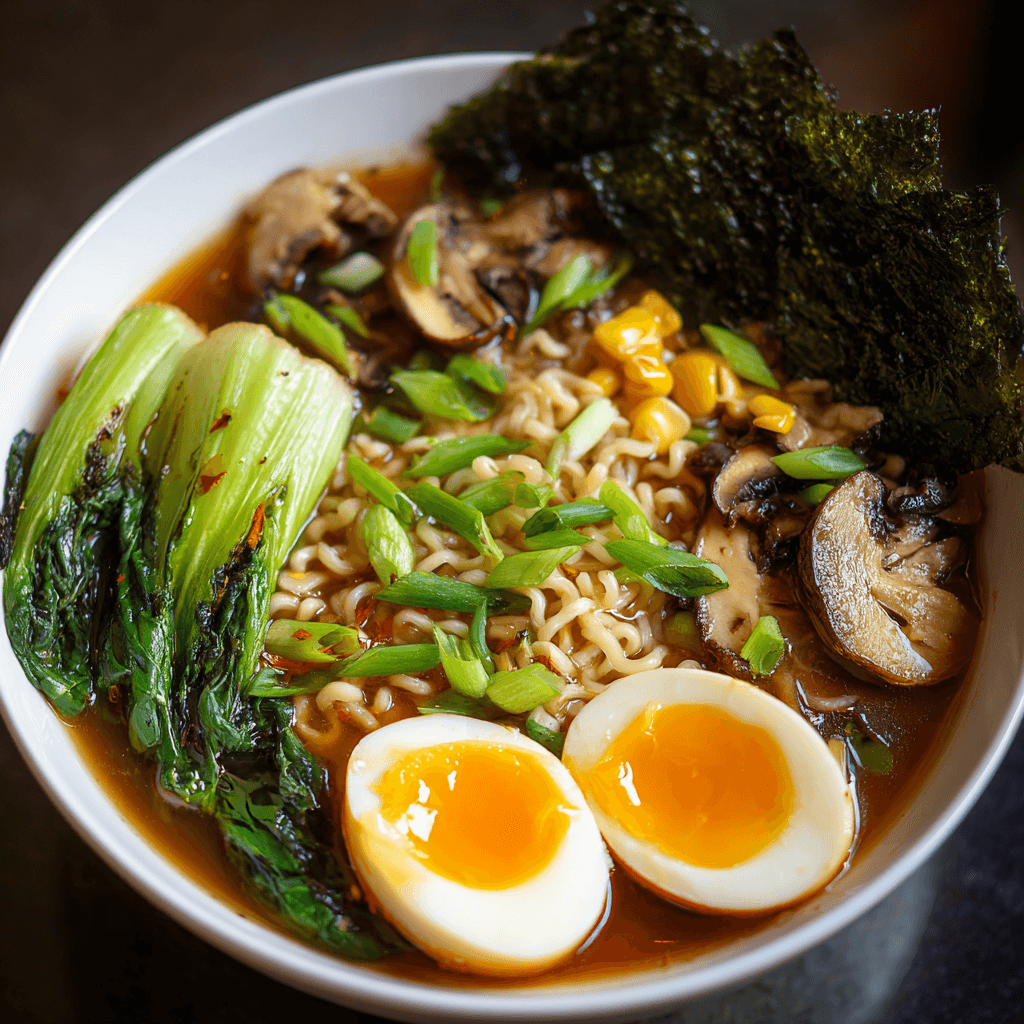
While traditional ramen can take days of simmering bones to achieve a rich tonkotsu base, there is a faster, more accessible way to reach that same level of depth in a home kitchen. Inspired by the precision and layering techniques championed by chefs like Gordon Ramsay, this ramen recipe focuses on building “flavor floors.” Instead of relying on a pre-packaged seasoning packet, we use fresh aromatics, high-quality miso, and a quick-seared protein to create a bowl that feels like it came from a high-end noodle bar.
The secret to a truly great ramen isn’t just the broth; it’s the contrast between the tender noodles, the fatty char of the meat, and the bright, sharp acidity of the toppings. This version uses a soft-boiled “jammy” egg and a punchy chili-garlic oil to ensure every spoonful is balanced. It’s a sophisticated, 30-minute meal that proves you don’t need a massive stockpot and 12 hours of time to enjoy an authentic-tasting ramen experience at home.
Ingredients
To get that restaurant-quality finish, try to source fresh ramen noodles from the refrigerated section of your local Asian grocer, though dried ones will work in a pinch.1
The Broth Base
- Chicken or Vegetable Stock: 4 cups, low sodium.
- Ginger: 2-inch piece, peeled and thinly sliced.
- Garlic: 3 cloves, smashed.
- Red Miso Paste: 2 tablespoons (provides a deep, fermented saltiness).
- Soy Sauce: 1 tablespoon.
- Sesame Oil: 1 teaspoon.
- Dried Shiitake Mushrooms: 3-4 pieces (adds an incredible umami depth).
The Protein and Noodles
- Pork Belly or Chicken Thighs: 1/2 lb, thinly sliced.
- Ramen Noodles: 2 portions (fresh or dried).
- Vegetable Oil: 1 tablespoon for searing.
The Essential Toppings
- Eggs: 2 large, soft-boiled (6.5 minutes exactly).
- Green Onions: 2, finely sliced on a bias.
- Baby Spinach or Bok Choy: 1 handful.
- Nori (Seaweed): 1 sheet, cut into rectangles.
- Chili Oil or Sriracha: To taste.
- Toasted Sesame Seeds: For garnish.
Instructions
Infuse the Broth
In a medium pot, combine the stock, ginger, smashed garlic, and dried shiitake mushrooms. Bring the mixture to a gentle simmer over medium heat. Let it infuse for about 15–20 minutes. This “quick-steeping” method draws out the aromatics without reducing the liquid too much. Once infused, strain out the solids and return the clear liquid to the pot.
Develop the Miso Flavor
Take a small ladle of the hot broth and whisk it into the miso paste in a separate small bowl until smooth. This prevents clumps of miso from floating in your soup. Pour the miso mixture back into the main pot along with the soy sauce and sesame oil. Keep the broth on the lowest heat setting; you never want to boil miso, as it kills the delicate fermented flavors.
Sear the Protein
While the broth simmers, heat a skillet over high heat with a tablespoon of oil. Season your sliced pork or chicken with a pinch of salt. Sear the meat quickly until it develops a dark, caramelized crust on both sides. This “Maillard reaction” is essential for adding a smoky, savory element to the bowl.2 Remove the meat from the pan and set it aside to rest.
Prepare the Noodles and Greens
Cook your ramen noodles in a separate pot of boiling water according to the package instructions. In the last 30 seconds of cooking, drop your spinach or bok choy into the noodle water just to wilt them. Drain everything well. Never cook your noodles directly in your broth, as the starch will turn your soup cloudy and thick.
Assemble the Bowl
Divide the cooked noodles and greens between two deep bowls. Pour the hot miso broth over the noodles. Top with the seared meat, a halved soft-boiled egg, and a piece of nori tucked into the side. Finish the dish with a generous sprinkle of green onions, sesame seeds, and a drizzle of chili oil.
Flavor and Texture Notes
This ramen is a masterclass in umami. The broth is silky and savory, with the ginger and garlic providing a subtle heat that lingers. The noodles should be al dente, offering a springy resistance against the tender, fatty seared protein.
The real magic happens when the “jammy” egg yolk breaks, spilling into the miso broth and creating an even richer, creamier soup. Each bite is different—sometimes you get the briny crunch of the nori, and other times the fresh, sharp bite of the green onions. It is a comforting, complex, and deeply restorative meal.
Tips and Variations
- The 6.5-Minute Egg: To get the perfect ramen egg, drop room-temperature eggs into boiling water for exactly 6 minutes and 30 seconds, then immediately plunge them into an ice bath. This stops the cooking and keeps the yolk liquid gold.
- Vegetarian Swap: Replace the meat with seared tofu or extra shiitake mushrooms. Use a high-quality vegetable stock and add a splash of coconut aminos for extra depth.
- Spice Control: If you like it hot, whisk a teaspoon of gochujang (Korean chili paste) into your miso base before adding it to the broth.
- Noodle Integrity: If you aren’t eating the ramen immediately, keep the noodles and broth separate. Noodles will act like a sponge and absorb all the liquid if they sit for more than 10 minutes.
Storage and Make-Ahead
Ramen is best served fresh, but you can certainly prep the components in advance.3
- The Broth: The infused broth can be made up to 3 days in advance and stored in the fridge. In fact, the flavor often improves after a night of sitting.
- The Eggs: You can soft-boil and peel your eggs up to 2 days ahead. For extra flavor, marinate them in a mixture of soy sauce and mirin (known as Ajitsuke Tamago).
- The Meat: Sear the meat fresh for the best texture, as reheated pork belly can become rubbery.
Serving Suggestions
- Gyoza on the Side: A plate of pan-fried pork or vegetable potstickers is the traditional companion to a hot bowl of ramen.4
- Smashed Cucumber Salad: A cold, vinegary cucumber salad provides a bright, acidic contrast to the rich miso broth.
- Green Tea: A hot cup of sencha or jasmine tea helps cleanse the palate and aids in digestion after a savory meal.5
FAQ
Can I use the flavor packet that comes with the noodles?
You can, but this recipe is designed to replace it with fresher, more complex flavors. If you use the packet, reduce the miso and soy sauce in the recipe to avoid an oversalted broth.
What is the difference between Red and White Miso?
White miso (Shiro) is milder and sweeter, while Red miso (Aka) is fermented longer, resulting in a saltier, more pungent flavor.6 Red miso is generally preferred for ramen because it can stand up to the strong flavors of garlic and ginger.
Why is my broth cloudy?
If you boil the broth too vigorously after adding the miso, or if you cook the noodles directly in the soup, it will become cloudy. Keep the broth at a low simmer for the clearest, cleanest taste.
Where do I find Nori?
Nori is available in the international or sushi aisle of most supermarkets. It usually comes in flat, dried sheets that are easy to cut with kitchen shears.
Conclusion
Making a restaurant-standard ramen at home isn’t about having a secret ingredient; it’s about respecting the process of building flavors layer by layer. By taking the time to infuse your stock and sear your protein properly, you elevate a humble bowl of noodles into something truly special. It’s a rewarding, warm, and impressive dish that will quickly become a favorite for a quiet night in.