Follow Me On Social Media!
The Ultimate Homemade Butter Chicken: A Rich, Velvety North Indian Classic.

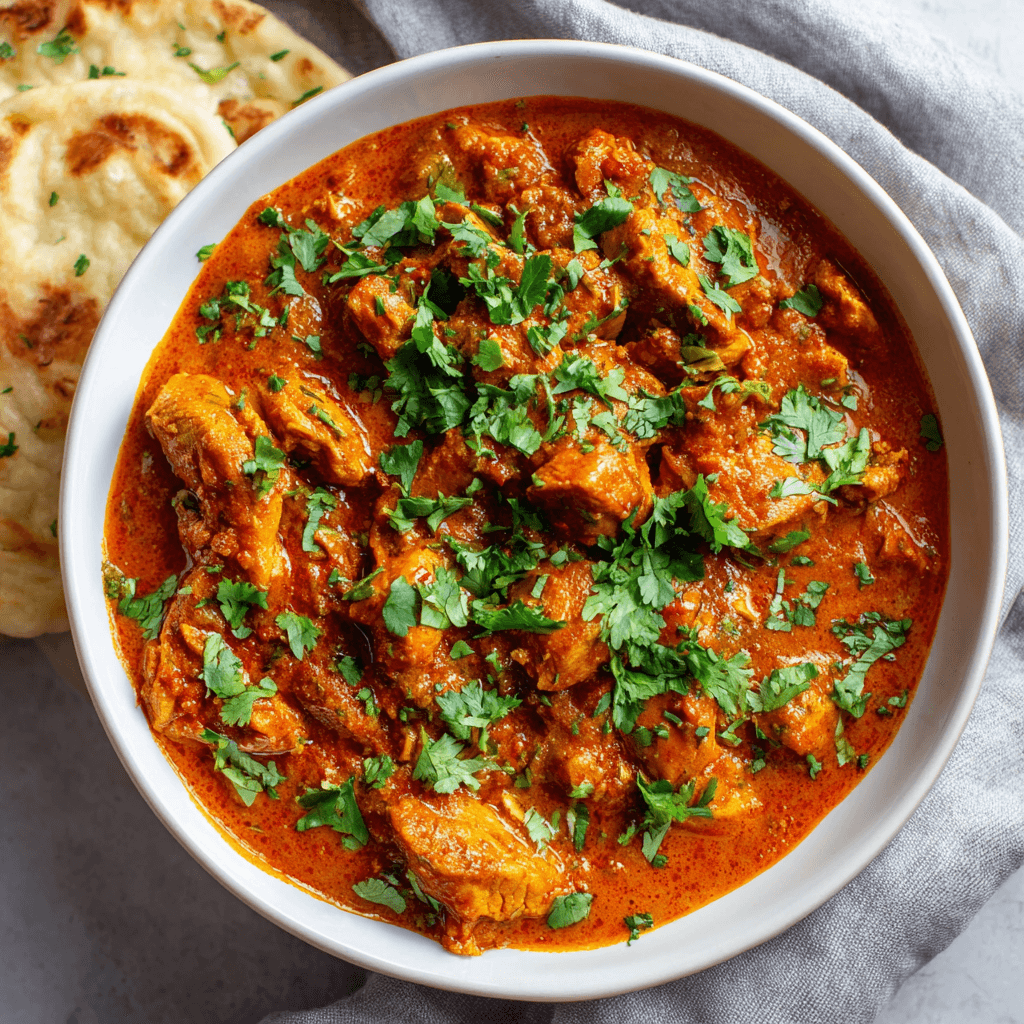
There is a specific comfort that comes from a bowl of authentic Butter Chicken, or Murgh Makhani. Originally hailing from the streets of Delhi, this dish has become perhaps the most recognizable ambassador of Indian cuisine globally. While many restaurant versions can lean into being overly sweet or heavy with food coloring, a homemade version allows you to prioritize the balance of aromatic spices, the tang of tomatoes, and the luxurious silkiness of the cream.
The secret to a truly transformative Butter Chicken lies in the two-step process: a deep, spiced yogurt marinade that tenderizes the meat, followed by a slow-simmered tomato-butter sauce. By charring the chicken first and then finishing it in the sauce, you capture that smoky “tandoor” essence even in a standard home kitchen. It is a meal that feels celebratory and complex, yet is built on foundational cooking techniques that any home cook can master.
Ingredients
To achieve that signature restaurant-style depth, using whole spices and fresh aromatics is non-negotiable.
For the Chicken Marinade
- Chicken Thighs: 800g (about 1.7 lbs), boneless and skinless, cut into bite-sized pieces. Thighs are preferred over breasts as they remain succulent during the double-cooking process.1
- Plain Greek Yogurt: 120ml (1/2 cup). The lactic acid is the primary tenderizer.
- Lemon Juice: 1 tablespoon.2
- Ginger-Garlic Paste: 2 tablespoons (freshly grated ginger and garlic in equal parts).
- Garam Masala: 1 teaspoon.3
- Turmeric: 1/2 teaspoon.
- Kashmiri Red Chili Powder: 1 teaspoon (this provides the vibrant red color without intense heat).4
- Fine Sea Salt: 1 teaspoon.
For the Makhani Sauce
- Unsalted Butter: 60g (1/4 cup), divided.
- Tomato Puree: 400ml (about 1.5 cups) of smooth, canned tomato passata.
- Heavy Cream: 120ml (1/2 cup).
- Sugar or Honey: 1 tablespoon, to balance the acidity of the tomatoes.5
- Kashmiri Red Chili Powder: 1/2 teaspoon.
- Garam Masala: 1/2 teaspoon.6
- Dried Fenugreek Leaves (Kasuri Methi): 1 tablespoon.7 This is the “secret” ingredient that provides the authentic aroma.
- Cinnamon Stick: 1 small piece.8
- Green Cardamom Pods: 3, lightly crushed.
Instructions
Step 1: The Marinade
In a large bowl, whisk together the yogurt, lemon juice, ginger-garlic paste, and spices. Toss the chicken pieces in the mixture until thoroughly coated. Cover and refrigerate for at least 30 minutes, though 4 to 6 hours will yield much more tender results.
Step 2: Searing the Chicken
Heat a large heavy-bottomed skillet or cast-iron pan over medium-high heat with a tablespoon of oil. Working in batches to avoid overcrowding, add the chicken pieces. Cook for 3 minutes per side until you see charred, dark spots. The chicken doesn’t need to be fully cooked through at this stage; we are looking for color and flavor. Remove the chicken and set aside.
Step 3: Building the Sauce
Wipe out the pan and melt half of the butter over medium heat. Add the cinnamon stick and cardamom pods, allowing them to sizzle for 30 seconds until fragrant. Pour in the tomato puree and chili powder. Simmer for 10 to 12 minutes on low heat until the sauce thickens and turns a deeper shade of red.
Step 4: Simmering and Finishing
Add the charred chicken (and any juices) back into the sauce. Stir in the sugar and garam masala. Cover and simmer for another 5 to 8 minutes until the chicken is cooked through.
Now, for the final transformation: reduce the heat to low and stir in the heavy cream and the remaining butter. This will turn the sauce into a pale, velvety orange. Crush the dried fenugreek leaves between your palms and sprinkle them over the sauce. Stir gently and remove from heat.
Flavor and Texture Notes
The primary sensation of Butter Chicken is its incredible smoothness—the word Makhani literally translates to “buttery.”9The sauce should be thick enough to coat a spoon, with a flavor profile that starts with a bright tomato tang, followed by the warming notes of cinnamon and cardamom, and finishing with a creamy, mellow sweetness.
The chicken itself should be tender enough to pull apart with a fork, carrying a faint smoky flavor from the initial sear. The fenugreek leaves add a subtle, maple-like herbaceous note that is the hallmark of a high-quality curry.
Tips and Variations
The Texture Trick
If you want an ultra-smooth sauce like those found in fine-dining Indian restaurants, you can pass the tomato base through a fine-mesh sieve before adding the chicken back in. This removes any small bits of cardamom or tomato seeds.
Smoked Effect (Dhungar Method)
To get a true tandoori smoke flavor, place a small heat-proof bowl in the center of the finished curry. Heat a small piece of natural charcoal until red hot, place it in the bowl, and pour a teaspoon of ghee over it. Immediately cover the pot with a tight lid for 2 to 3 minutes to let the smoke infuse the sauce.
Dairy-Free Option
Substitute the butter with coconut oil and the heavy cream with full-fat coconut milk. While it changes the flavor profile slightly, it maintains the essential richness.
Adding Heat
This recipe is mild. If you prefer a spicy kick, add a finely chopped serrano pepper or increase the amount of red chili powder during the sauce-building phase.
Storage and Make-Ahead
Like many tomato-based stews, Butter Chicken is famous for tasting even better the next day as the spices continue to develop.
- Refrigeration: Store in an airtight container for up to 3 days. Reheat gently on the stovetop over low heat, adding a splash of water if the sauce has thickened too much in the fridge.
- Freezing: This dish freezes exceptionally well for up to 2 months.10 Thaw in the refrigerator overnight before reheating.
Serving Suggestions
Butter Chicken is rich, so it is best paired with sides that can soak up the sauce or provide a fresh contrast.
- Basmati Rice: A simple steamed basmati or a fragrant cumin (jeera) rice is the traditional choice.11
- Garlic Naan: Use warm, charred naan to scoop up the velvety sauce.
- Pickled Onions: Thinly sliced red onions soaked in vinegar and salt provide a sharp, crunchy contrast to the creamy curry.
- Fresh Garnish: A final swirl of cream and a handful of chopped cilantro makes the dish look as good as it tastes.
FAQ
Can I use chicken breast?
Yes, but you must be careful not to overcook it. Breasts can become dry and stringy if simmered for too long. If using breast meat, reduce the final simmering time by a few minutes.
What if I can’t find Kasuri Methi (fenugreek)?
While it is the defining aroma of the dish, you can substitute it with a tiny bit of maple syrup and some chopped celery leaves in a pinch, though the flavor won’t be quite the same.
Is it the same as Chicken Tikka Masala?
They are cousins, but not the same. Tikka Masala is generally more tomato-forward, spicier, and uses more onions and bell peppers, whereas Butter Chicken is smoother, creamier, and milder.12
Why is my sauce too thin?
If the sauce is watery, let it simmer uncovered for a few extra minutes before adding the cream. The tomato puree needs to reduce significantly to achieve that rich consistency.
Conclusion
Homemade Butter Chicken is a rewarding kitchen project that fills your home with an incredible aroma and results in a meal far superior to any takeout. By focusing on the quality of the marinade and the slow reduction of the tomato base, you create a dish that is the epitome of culinary comfort. It is a testament to how a few humble ingredients—butter, cream, and tomatoes—can be elevated into something truly magnificent through the power of spices. Once you’ve tasted the velvety depth of a version made in your own skillet, it will undoubtedly become a staple for your special-occasion dinners.