Follow Me On Social Media!
Turkish Bazlama Bread

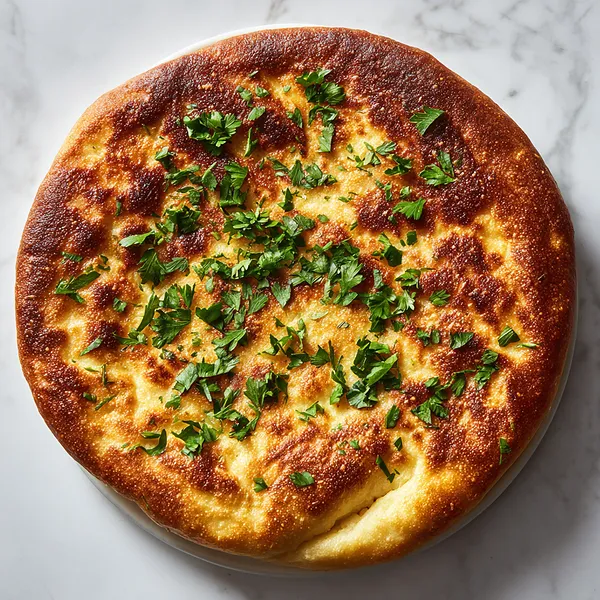
Turkish bazlama is a soft, pillowy stovetop flatbread with a lightly golden exterior and tender interior. Traditionally enjoyed warm with butter, dips, or savory fillings, this versatile bread brings authentic homemade comfort with simple pantry ingredients.
Why You’ll Love This Recipe
- Soft, fluffy texture – Yeasted dough creates an airy interior perfect for wraps or dipping.
- No oven required – Cooked entirely on the stovetop for convenience and accessibility.
- Simple everyday ingredients – Uses basic pantry staples found in most kitchens.
- Versatile serving options – Ideal with spreads, grilled meats, or mezze platters.
- Make-ahead friendly dough – Can be prepared in advance and cooked when needed.
- Naturally vegetarian with dairy-free option – Easy to adapt for different diets.
Ingredients You’ll Need
Dough Base
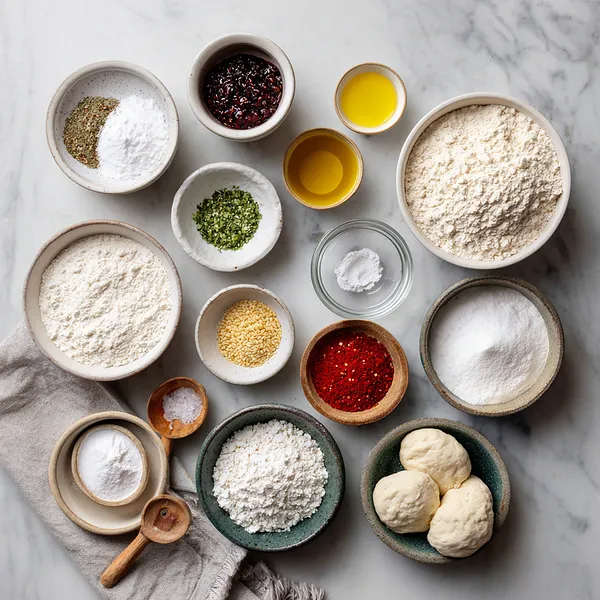
- 3 cups all-purpose flour – Provides structure and soft crumb.
- 1 cup warm water (105–110°F) – Activates yeast and hydrates the dough.
- 1 tablespoon active dry yeast – Creates rise and airy texture.
- 1 tablespoon sugar – Feeds yeast and adds subtle sweetness.
- 1 teaspoon salt – Balances flavor and strengthens gluten.
- 2 tablespoons olive oil – Adds tenderness and elasticity.
Finishing Touch
- Fresh parsley for garnish – Adds color and mild herbal freshness.
- Optional melted butter or olive oil – Brushed on warm bread for richness and shine.
Step-by-Step Instructions
Activate the yeast – Combine warm water, sugar, and yeast, then let sit 5–10 minutes until foamy, confirming yeast activity.
Mix and knead the dough – Stir flour and salt together, add yeast mixture and olive oil, then knead 8–10 minutes until smooth, soft, and elastic.
Allow the dough to rise – Place in an oiled bowl, cover, and let rise in a warm spot for 60–90 minutes until doubled and puffy.
Divide and shape – Punch down dough, portion into 8 balls, and roll each into a 6–7 inch circle about 1/4 inch thick.
Cook on the stovetop – Heat a dry cast-iron skillet over medium-high and cook each round 1–2 minutes per side until golden with bubbles and slight puffing.
Keep warm and finish – Stack cooked breads under a towel, brush with butter or olive oil if desired, garnish with parsley, and serve warm.
Recipe Notes & Tips
- Use properly warm water – Too hot kills yeast; too cool slows activation.
- Knead until elastic and smooth – Develops gluten for soft texture.
- Ensure full rise before shaping – Creates airy interior structure.
- Cook on hot, dry surface – Produces signature golden spotting and puff.
- Cover cooked breads immediately – Prevents drying and keeps them tender.
- Reheat in skillet, not microwave – Restores softness without sogginess.
Nutritional Information
- Prep Time: 90 minutes (includes rising)
- Cook Time: 20 minutes
- Total Time: 110 minutes
- Servings: 8 flatbreads
- Calories: ~180 per bread (estimated depending on finishing butter or oil)
Perfect Pairings
- Hummus or yogurt dips – Classic Mediterranean accompaniments.
- Grilled meats or kebabs – Ideal for wrapping savory fillings.
- Olive oil and herbs – Simple, traditional serving style.
- Fresh tomato and cucumber salad – Adds brightness and crunch.
Ideal Occasions
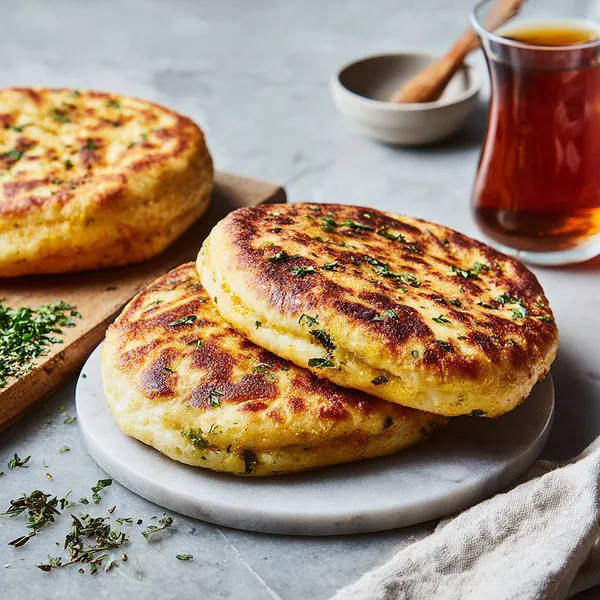
- Family-style dinners – Warm bread for sharing at the table.
- Mezze or appetizer spreads – Complements small plates beautifully.
- Outdoor gatherings or picnics – Portable and versatile.
- Everyday homemade bread cravings – Simple enough for regular baking.
Storage & Serving Tips
- Store airtight at room temperature – Keeps soft for up to 2 days.
- Freeze for longer storage – Maintains quality up to 3 months.
- Reheat in dry skillet – Restores warmth and texture.
- Brush with oil after reheating – Revives softness and flavor.
Creative Variations to Try
- Whole wheat bazlama – Substitute part of the flour for nuttier flavor.
- Herb-infused dough – Add dried oregano, thyme, or nigella seeds.
- Garlic butter finish – Brush with melted garlic butter for richness.
- Stuffed flatbread version – Fill with cheese or spinach before cooking.
Troubleshooting Common Issues
- Dough not rising – Yeast inactive or environment too cool; proof in warmer spot.
- Bread too dense – Insufficient kneading or under-risen dough.
- Burning before cooking through – Heat too high; reduce slightly.
- Dry finished bread – Not covered after cooking or overcooked in pan.
Why This Recipe Works
Bazlama’s softness comes from proper yeast fermentation, gluten development through kneading, and quick high-heat stovetop cooking that traps steam inside the dough. Olive oil tenderizes the crumb while brief cooking preserves moisture. The result is a light yet satisfying flatbread at roughly 180 calories each, offering comforting texture without heaviness.
Final Thoughts
Turkish bazlama bread is a timeless, versatile staple that transforms simple ingredients into warm, pillowy comfort. Its stovetop method, adaptable flavors, and balanced nutrition make it perfect for both everyday meals and special gatherings. For a lighter approach, brush with olive oil instead of butter or use partial whole wheat flour while preserving its signature softness.